TRACK13 front seat
Project Description
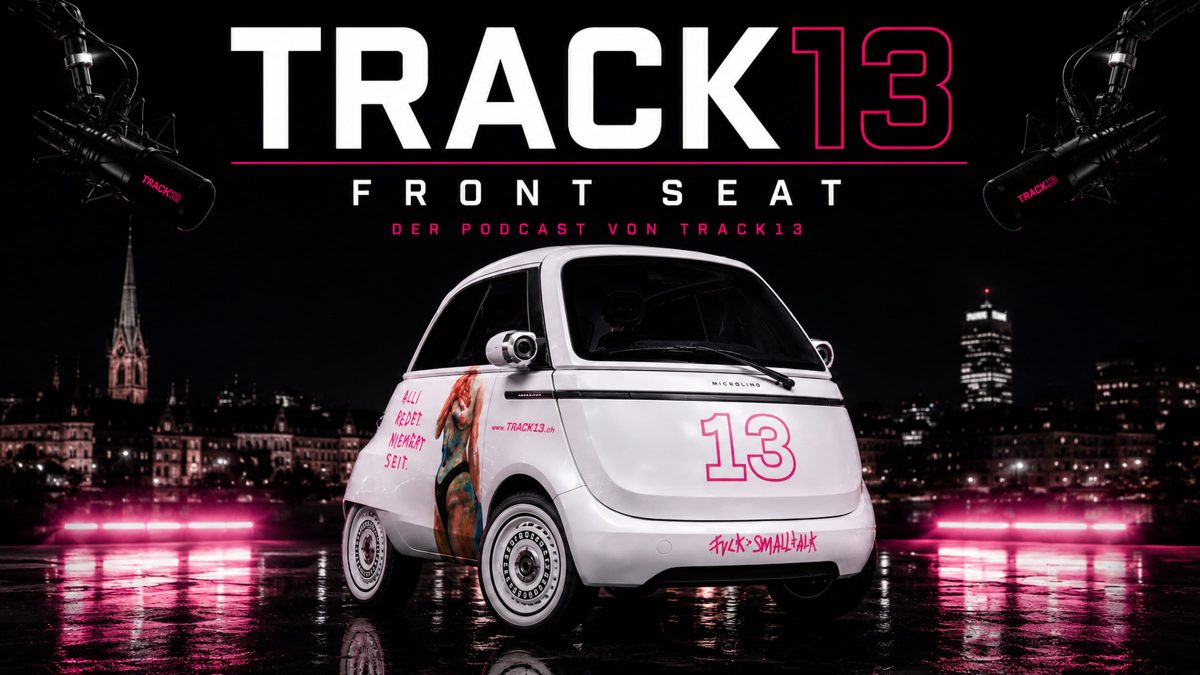
As part of this project, I developed and produced the first episode of a video podcast for TRACK13. The goal was to create a modern content format that works both as a long-form YouTube episode and as a source of content for social media platforms.
The entire production was completed independently by me. From the initial idea and concept development to the final delivery of all content, I was responsible for every stage of the production process. This included planning the format, organizing the shoot, recording video and audio, editing, post-production, and creating all supporting content.
The project consisted of four main deliverables: the first podcast episode in a YouTube format, multiple short-form social media snippets for Instagram, TikTok, and YouTube Shorts, a podcast teaser, and a custom-made intro and outro jingle. I was also responsible for the visual identity of the project as well as the complete editing process.
During the concept phase, my focus was on creating an authentic and engaging format that reflects the identity of TRACK13. At the same time, I wanted to maximize the value of the production by creating content that could be repurposed across multiple platforms. For this reason, I planned various content formats from the beginning, ensuring that one main production could generate several additional pieces of content.
During production, I handled all filming and recording myself. In post-production, I selected the footage, edited the podcast episode, color graded the visuals, improved the audio, and integrated graphics and animations where necessary. In addition, I independently created and mixed the intro and outro jingle to give the podcast a unique and recognizable audio identity.
Alongside the full-length podcast episode, I produced several short-form clips designed specifically for social media. These snippets serve both as standalone content and as promotional material to attract viewers to the full episode. As a result, the project evolved into a complete content package capable of supporting the growth and visibility of the TRACK13 brand across multiple digital platforms.
(mbi)
Reflection and Criticism
Looking back, I am satisfied with the overall outcome of the project. One of the biggest strengths was the fact that I managed every aspect of the production myself. From the initial concept and planning phase to filming, editing, sound design, and final delivery, the entire project was created independently. This gave me valuable insight into the complete production workflow and allowed me to strengthen both my creative and technical skills.
One of the main challenges was the audio quality. The video was recorded using a GoPro, while the audio was captured through a microphone mounted to the vehicle. Although the recordings were usable, the sound quality did not fully meet my expectations. Road noise, wind, and surrounding environmental sounds occasionally affected the clarity of the conversation. While I was able to improve the recordings during post-production, some issues remained noticeable. If I were to produce a similar project again, I would use professional lavalier or wireless microphones to achieve cleaner and more consistent audio quality.
Another challenge was the constantly changing lighting conditions during filming. Since the podcast was recorded while driving, the camera was continuously exposed to different levels of sunlight, shadows, reflections, and changing environments. This caused visible flickering and exposure fluctuations in certain parts of the footage. Although these issues were reduced during the editing process, they could not be completely removed. In future productions, I would pay more attention to manual camera settings and explore equipment that performs better in rapidly changing lighting situations.
A further technical issue was the reliability of the recording equipment. During production, the GoPro overheated several times and automatically shut down approximately four to five times. This interrupted the workflow, required multiple recording restarts, and increased the risk of missing important moments of the conversation. As a result, additional time was needed to monitor the equipment and ensure that all necessary footage was captured. For future productions, I would either use a camera system designed for longer recording sessions or implement measures to better manage heat buildup during filming.
Time management was another area that could have been improved. I underestimated the amount of time required for editing, sound design, color grading, and the creation of additional social media content. As the deadline approached, this resulted in unnecessary pressure during the final stages of the project. In future productions, I would create a more detailed production schedule and include larger time buffers for post-production.
I also realized that I did not capture enough B-roll footage during production. My focus was primarily on the podcast conversation itself, which meant that I had fewer supplementary shots available during editing. Additional detail shots, environmental footage, and cinematic driving sequences would have provided more flexibility in the edit and improved the visual storytelling of the final product.
Another lesson learned was the importance of quality control during filming. Some technical issues only became noticeable during post-production and could have been identified earlier through more frequent checks of both the video and audio recordings. Regular monitoring throughout the shoot would have allowed me to react faster and avoid certain problems before they affected the final material.
One aspect I am particularly proud of is the holistic approach to the project. Rather than producing only a podcast episode, I created a complete content package consisting of the full-length video, a teaser, multiple social media snippets, and a custom-made intro and outro jingle. This experience reinforced the importance of planning content strategically and designing productions that can be adapted for multiple platforms from the outset.
Overall, this project was an extremely valuable learning experience. It allowed me to further develop my skills in video production, audio editing, content creation, and project management while also exposing me to real-world production challenges. The lessons learned throughout this process will help me create more efficient, professional, and technically refined productions in the future.