
The power of an email

Email marketing is far more powerful than most people realize. It is actually one of the most effective ways to keep customers engaged with your brand and interested in what you offer. At its core, email marketing is a key part of inbound marketing: A tactic of a brand to connect at the right time, right platform, to the right person and with the right message.
But how do brands actually get in touch with you?
They may not know you personally, but the process is surprisingly simple. Many people are not aware of it, but the moment you leave behind personal data, for example with a call to action-button (CTA) offering a discount, you give brands exactly what they need.
Once you’ve given your data, you receive a special offer and feel satisfied. At the same time, the brand gains access to your personal data, creating a win-win situation. They don’t ask for much, only your name and more importantly: your email address. At that specific moment, consumers are more inclined to click on a CTA and explore what they can purchase with a 20% discount. The action feels effortless: personal data is shared almost automatically in order to continue shopping. Brands are fully aware of this and successfully collect the information, without causing irritation. In fact, the process is often associated with a positive feeling.
A lot of people underestimate the power of an email address. By providing one, consumers not only share personal data but also give brands the permission to contact them again. The immediate result is often a welcome email, with a message such as ‘Welcome to the family’. Brands play with emotional language to create a sense of recognition and belonging and it works like magic.
However, this is also where many brands miss the mark. Most marketing emails remain unopened. The reason is simple: they feel like spam.
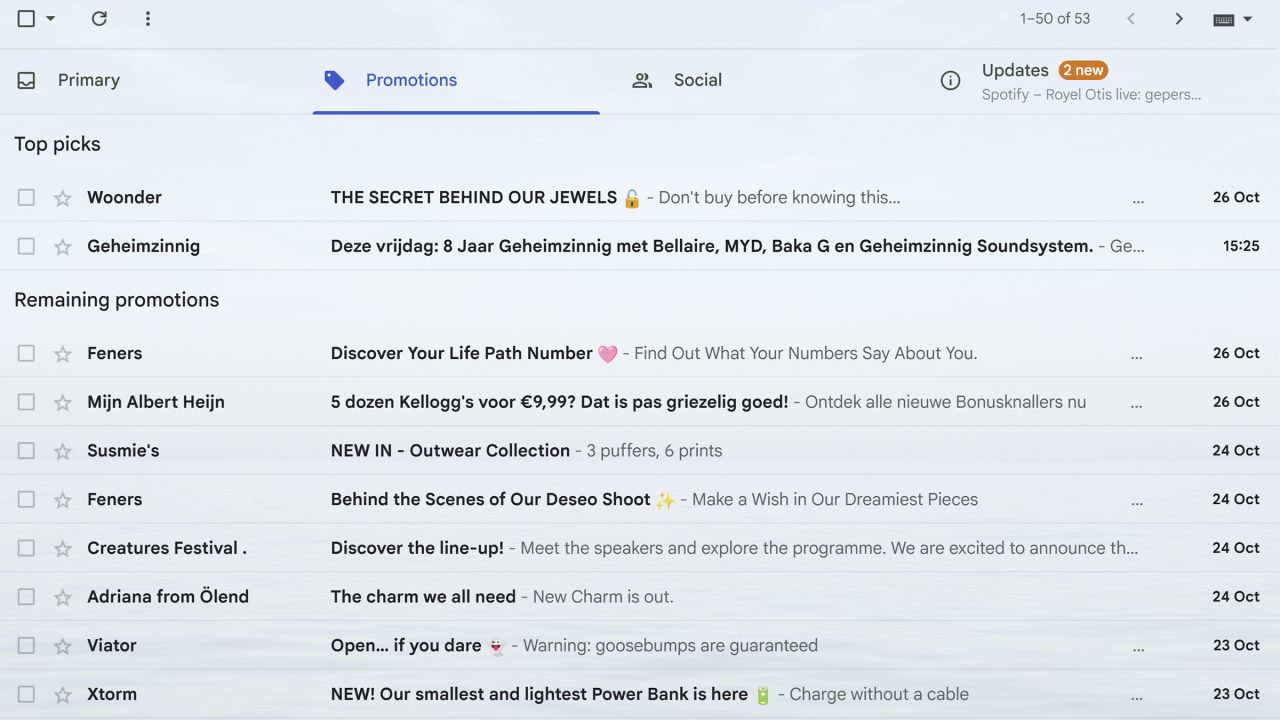
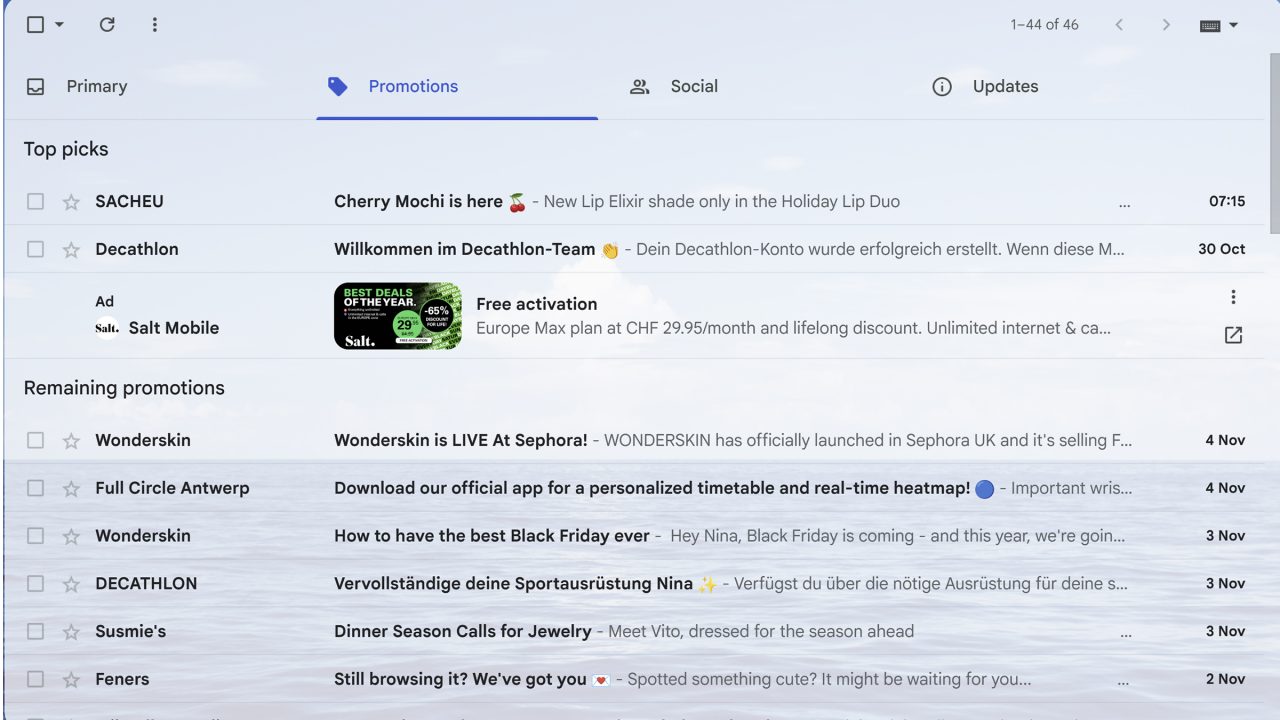
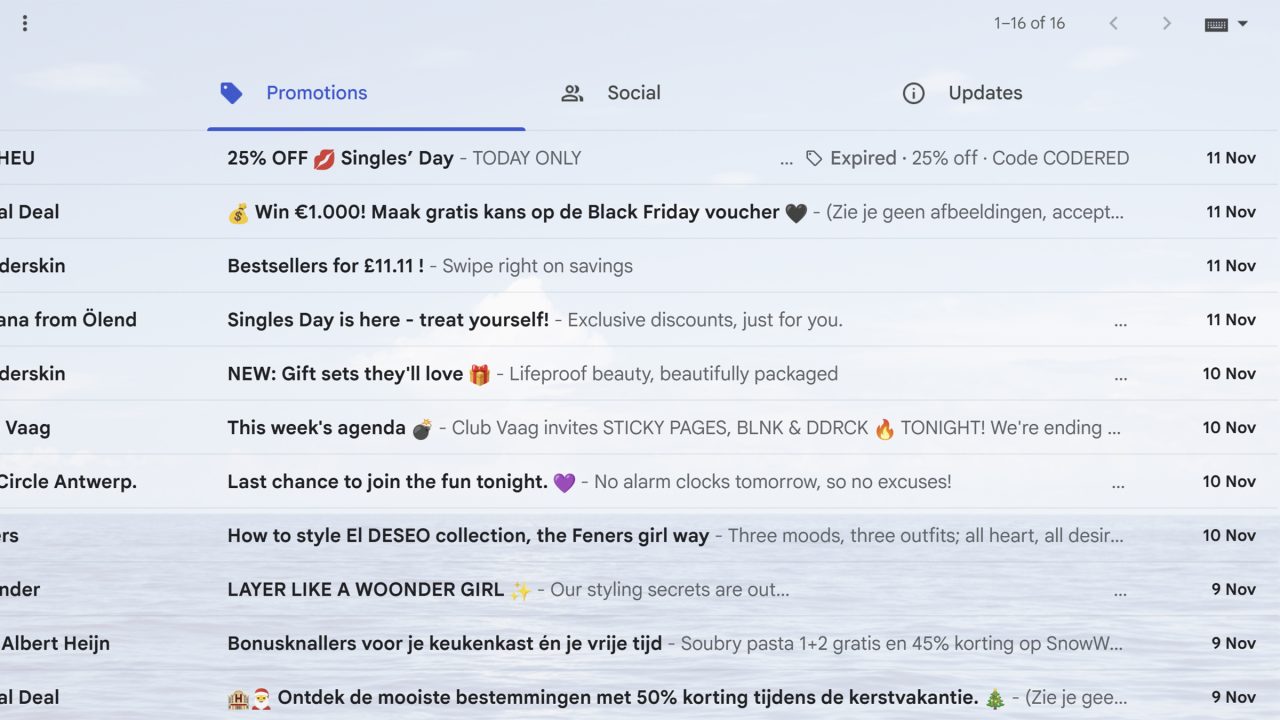
This realization led me to reflect on my own inbox. While I genuinely appreciate the brands I am subscribed to, I find their emails frustrating. They are sent too frequently and rarely offer real value. The only reason I remain subscribed is the possibility of receiving discounts. And I’m not the only one who finds these emails annoying. After discussing with friends, it became clear that their inboxes look remarkably similar to mine, crowded with promotional emails that are largely ignored. For brands, this represents a significant missed opportunity.
So based on my research, several improvements can be identified. First, timing plays a crucial role: Sending too many emails leads to irritation, while sending too few can make customers feel forgotten. Brands should therefore ask themselves one question: “Is this useful for the client and at what moment would it be most valuable for them to read this message?”
Additionally, people don’t read their inboxes, they scan them. Within a few seconds, people decide whether to open, delete or ignore an email based on three elements: the sender, the subject line and the preview text. That’s all.
The subject line is a critical component. Rather than using aggressive sales language such as “LAST CHANCE -20% OFF!!”, a more subtle and relevant approach like “Your 20% discount expires tomorrow” is likely to be more effective.
Preview text is another often-overlooked element. This short grey line of text, usually next or under the subject line, provides additional context and functions as free marketing space. Yet many brands fail to use it strategically.
Finally, both copy and design play a significant role in how emails are perceived. Clear messaging, concise copy and a focus on the customer rather than the brand are essential. Emails should avoid excessive sales language and instead address the reader directly by using the ‘you’-form. From a design perspective, many marketing emails look identical. To illustrate how small creative adjustments can increase distinctiveness, I used the brand Ölend as a case study. By introducing color into the email background, the design better reflects Ölend’s strong focus on color and reinforces its visual identity.
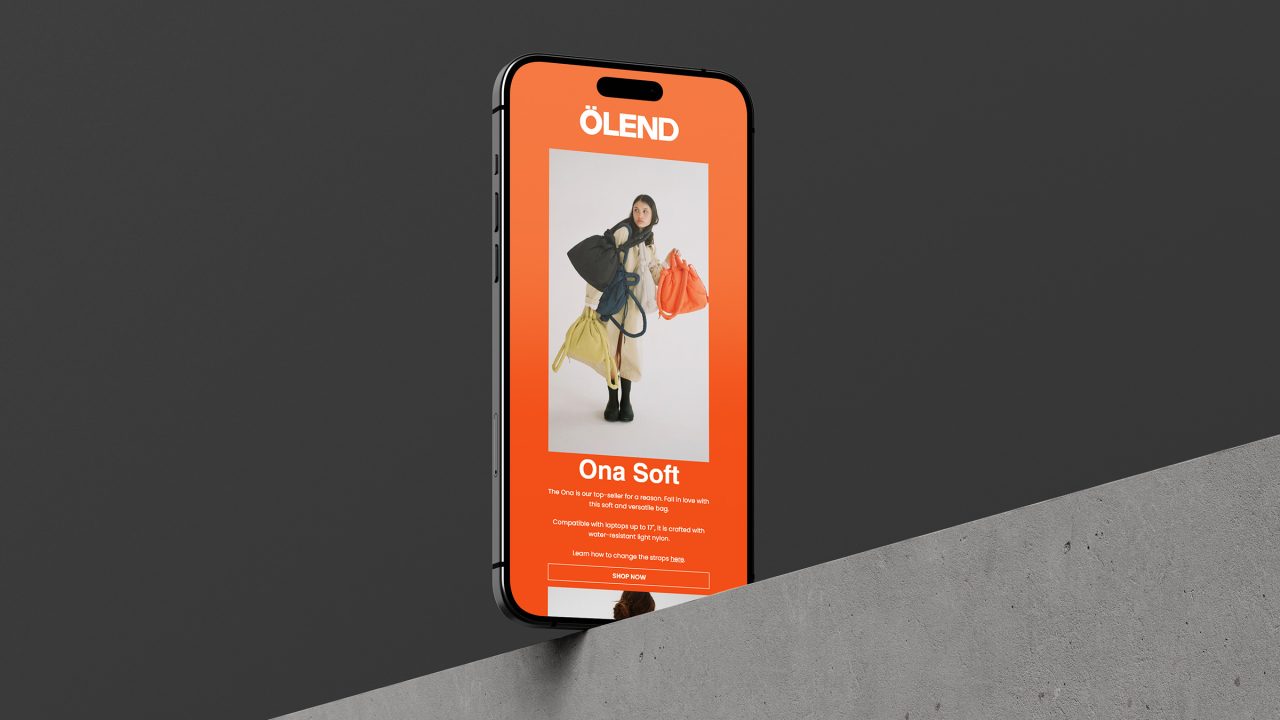
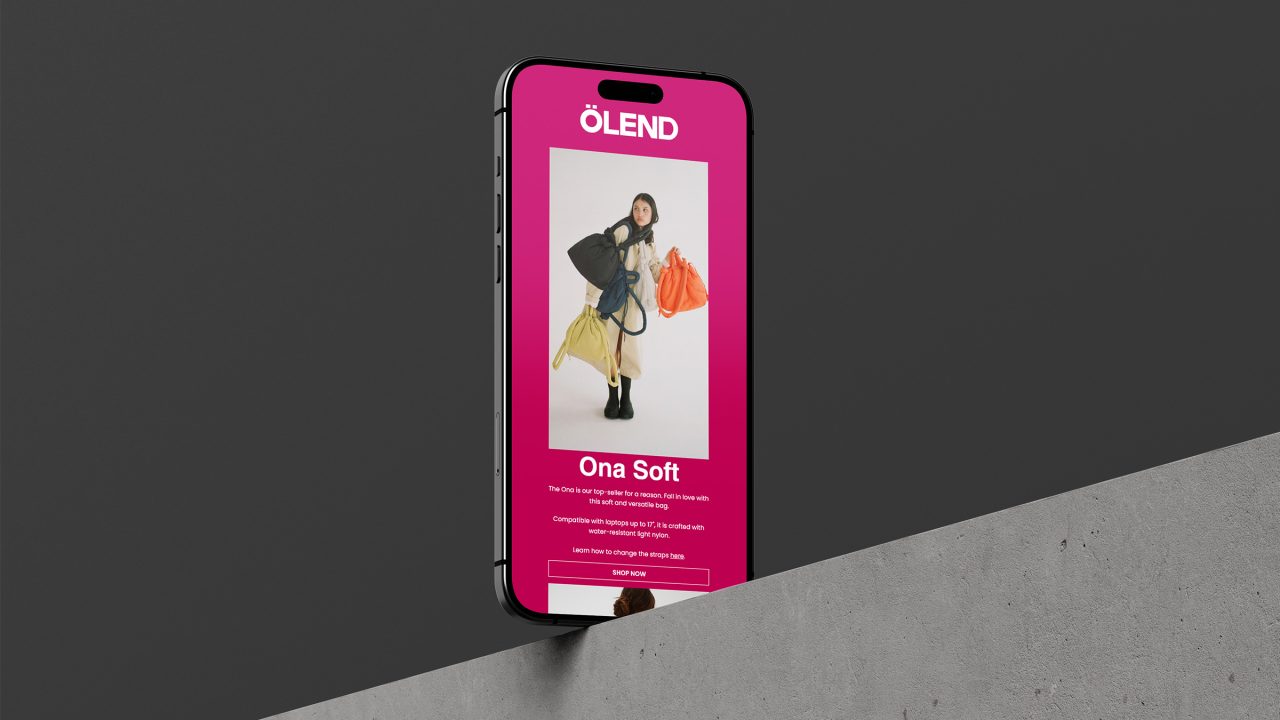
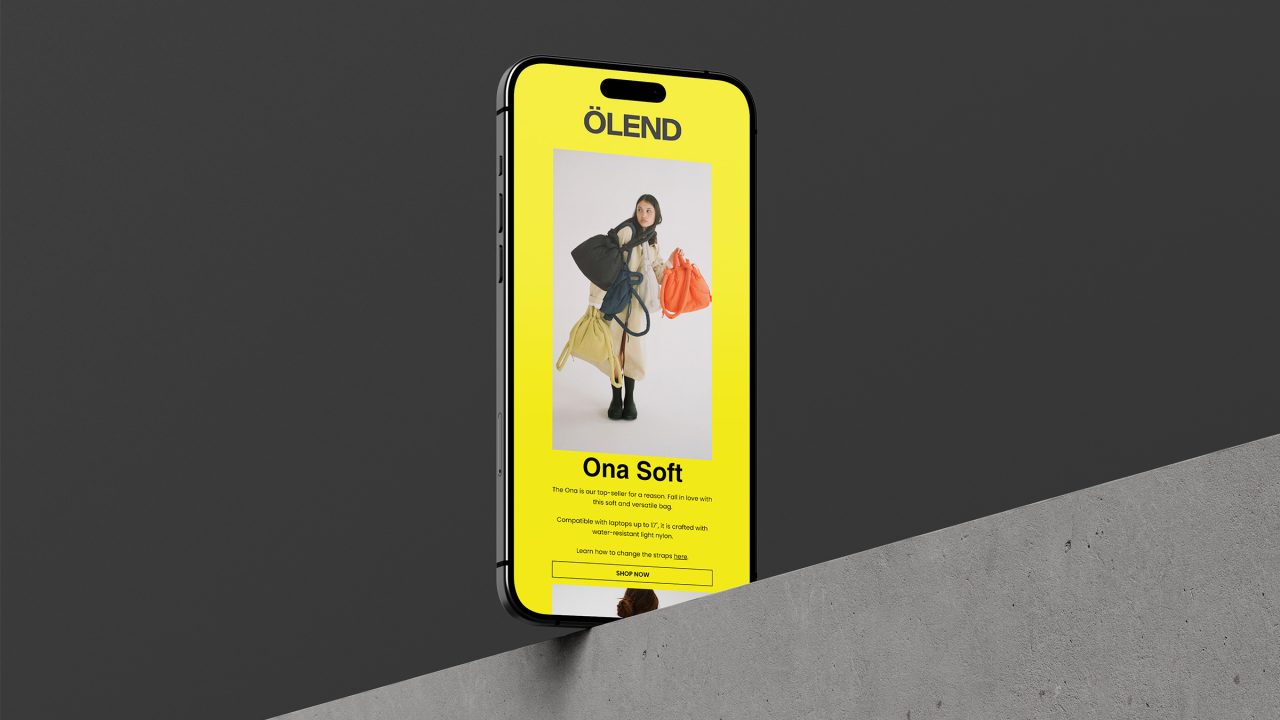
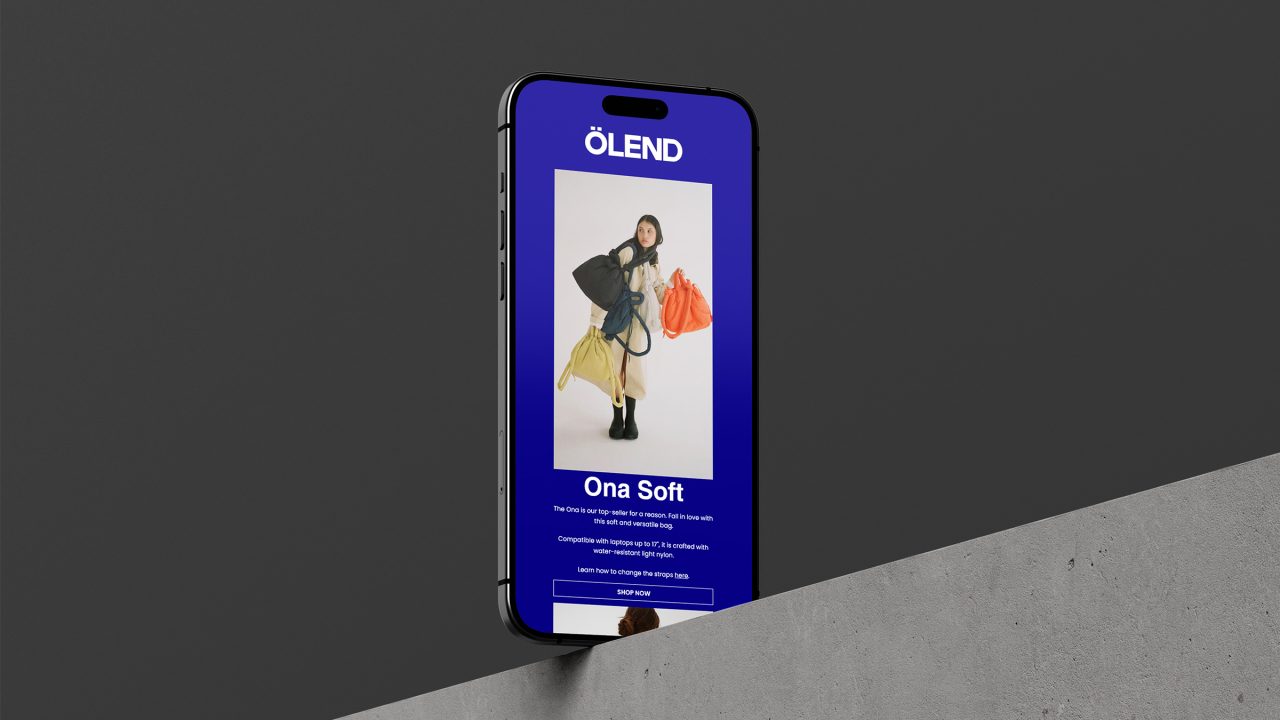
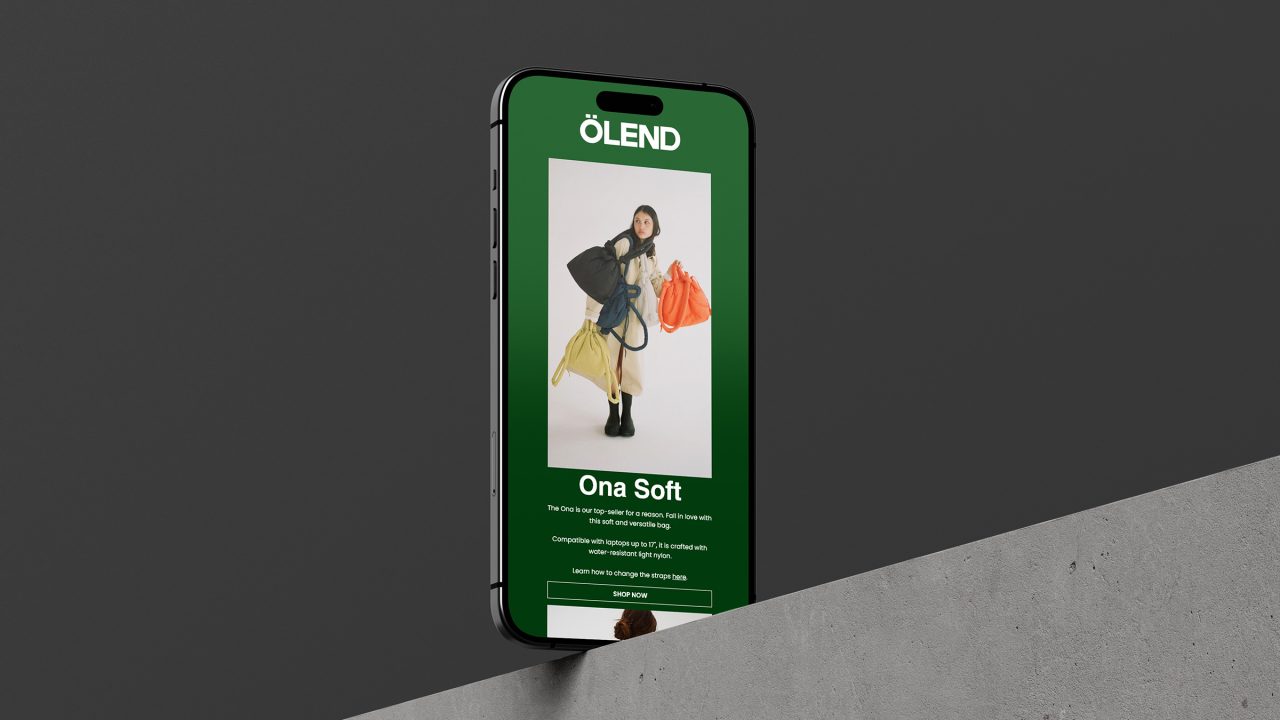
Another example is incorporating 3D visuals instead of static images could increase engagement. To illustrate this potential, I created a 3D visual of the Ona Soft Bag from the brand Ölend, which could be used within an email campaign while keeping file size to a minimum.
In conclusion, email marketing remains a powerful tool, but its effectiveness largely depends on how thoughtfully it is executed. While brands succeed in collecting personal data and establishing initial contact, many fail to maintain meaningful engagement due to poor timing, repetitive content, and uninspired design. By focusing on relevance, clarity, and subtle creativity, such as strategic use of subject lines, preview text, and visual design, brands can transform email from an intrusive message into a valuable touchpoint. Ultimately, effective email marketing is not about sending more emails, but about sending better ones, as many consumers remain subscribed not out of loyalty, but in anticipation of occasional rewards.
(vha)
I find inbound marketing extremely interesting! The idea that a marketing tactic tailored to its customers can achieve so much in a world where privacy is becoming increasingly important fascinates me. It is particularly striking that people choose to disclose their personal data themselves through pull marketing, often without being fully aware of it.
During my project, however, I realized that there are already various marketing tools available to optimize emails. Tools such as Mailchimp and Klaviyo make it possible to build emails using templates, automation, and segmentation. For more advanced campaigns, platforms such as ActiveCampaign can be used for behavioral triggers and personalization.
That is why I deliberately chose not to design a new optimization platform for this project. Instead, I felt it was more important to raise awareness of the impact of email marketing and demonstrate what this form of marketing can already achieve today, both for brands and for consumers. I did this by writing a text, supported by examples and key considerations.