
THE CABIN

I came to Chur as an Erasmus student from Antwerp, a city where café culture lives on every corner. Back home, people sit outside all year round, in the cold, in the rain, talking, laughing, and staying out late. Here in Chur, nights are different.
On a normal Saturday night, around 9 p.m., the city already feels quiet. Back in Belgium, this hour would still be considered early to go out for a drink, at least for me and my friends. In Chur, however, waiting any longer feels like missing the evening altogether. After 11 p.m., the city truly falls quiet. Bars close or people retreat indoors. There is beauty in that calm, very peaceful, respectful and comforting, yet I sometimes miss the warmth and togetherness that come with staying out late, simply sharing time with friends.
Living in Chur made me reflect on how strongly a city shapes social behaviour. The early quiet, the clear rhythms of the day and the respect for calm are deeply embedded in the local culture. Rather than seeing this as something negative, I began to question what I personally might add to this amazing alpine city through design.
What I found myself longing for was not nightlife in the traditional sense, but a feeling of warmth, togetherness and coziness. Simply moments where conversation unfolds naturally, without urgency or a fixed end.
Which led me to my central question: How can a sense of coziness and social connection exist within a calm, alpine city like Chur, without disrupting its character?
My intention with this project is not to introduce a foreign café culture into Chur, but to reinterpret that feeling within its existing alpine environment. Alongside this more reflective approach, the project also grew out of curiosity and desire to imagine what kind of place could feel truly meaningful, warm and enjoyable within the city.
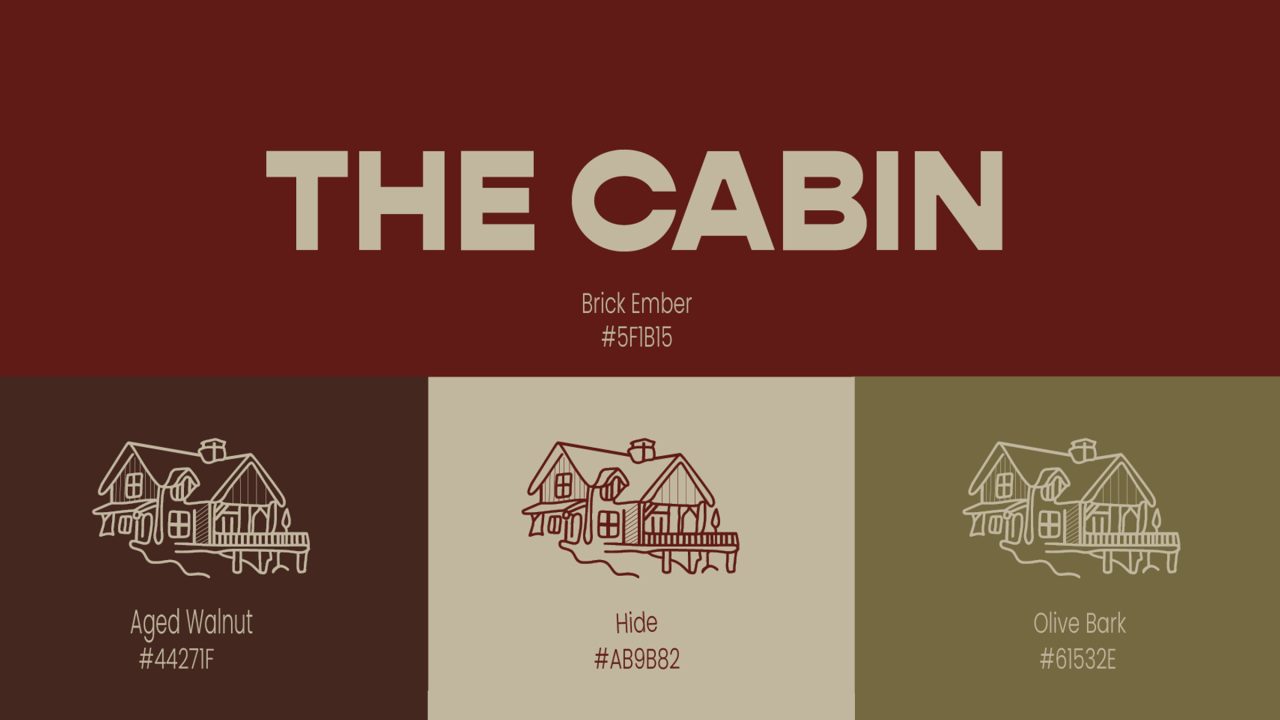
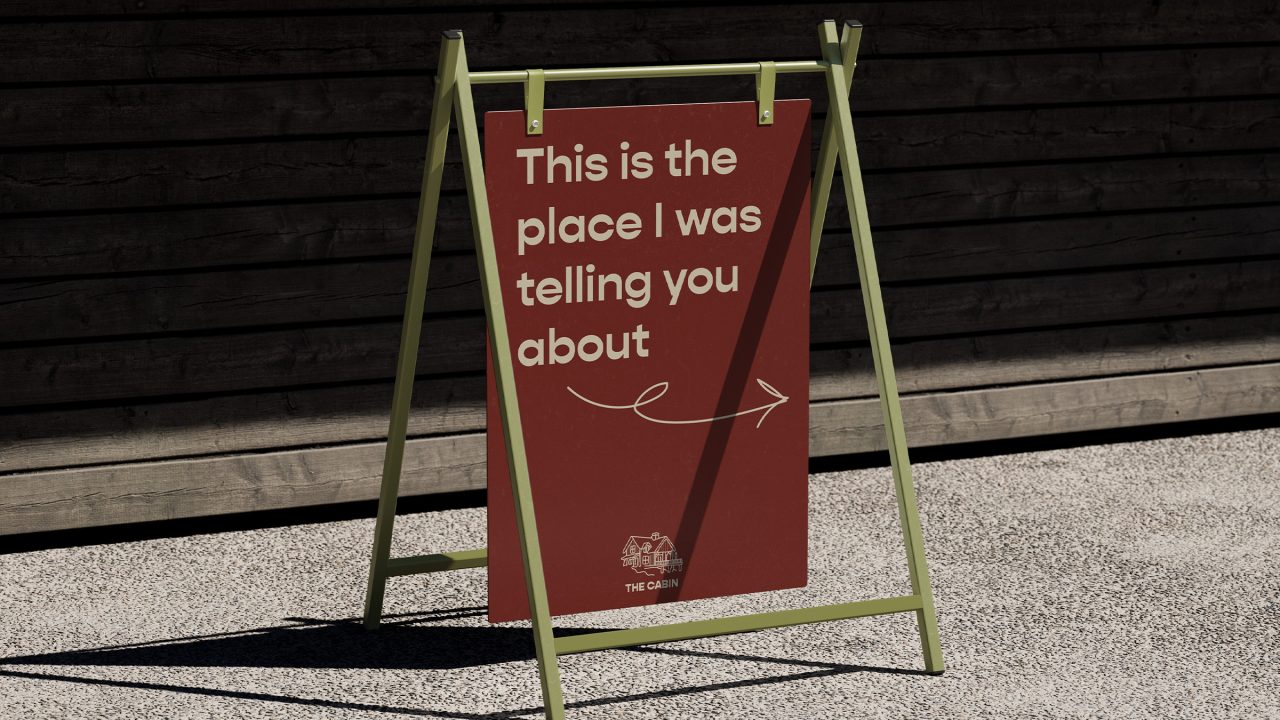

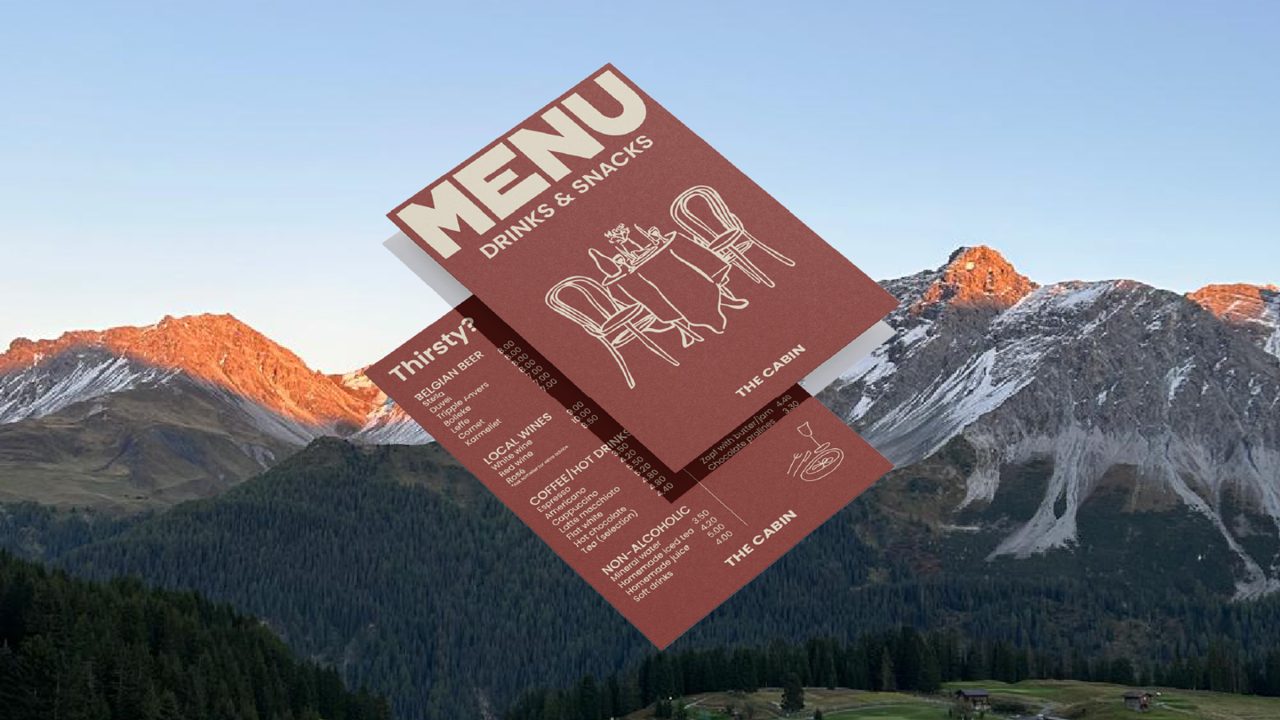
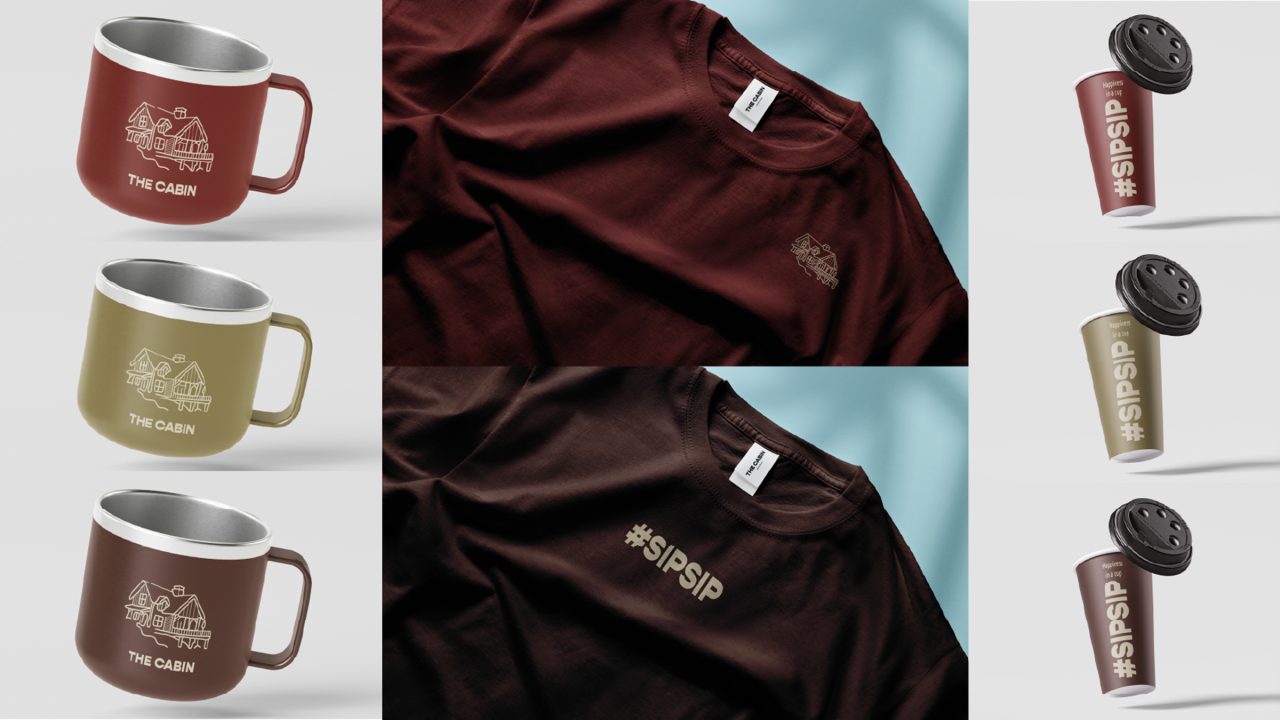
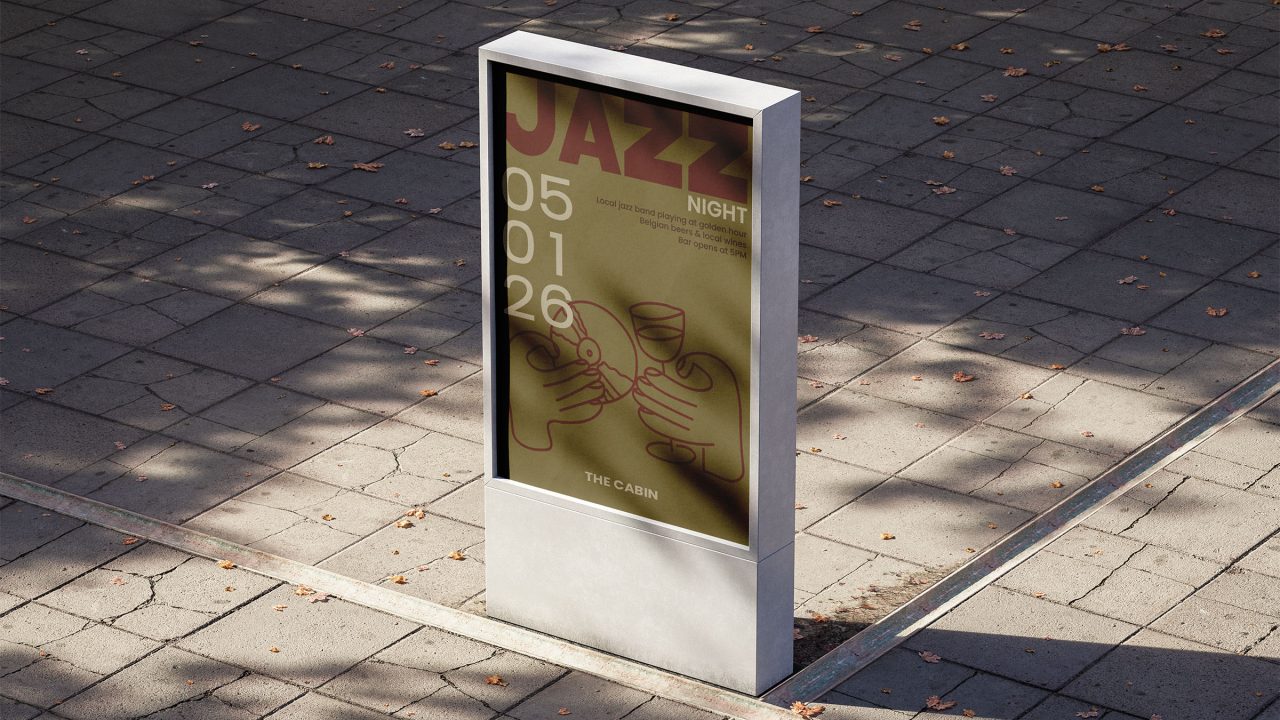
The design of The Cabin is deeply rooted in its surroundings. Rather than creating an abstract concept, I started from the environment of Chur itself. The color palette is inspired by the alpine nature around the city: warm earth tones, deep reds, muted greens and soft neutrals found in wood, leaves and stone. These colors help me create a sense of warmth and calm, both in the branding and in the overall visual experience.
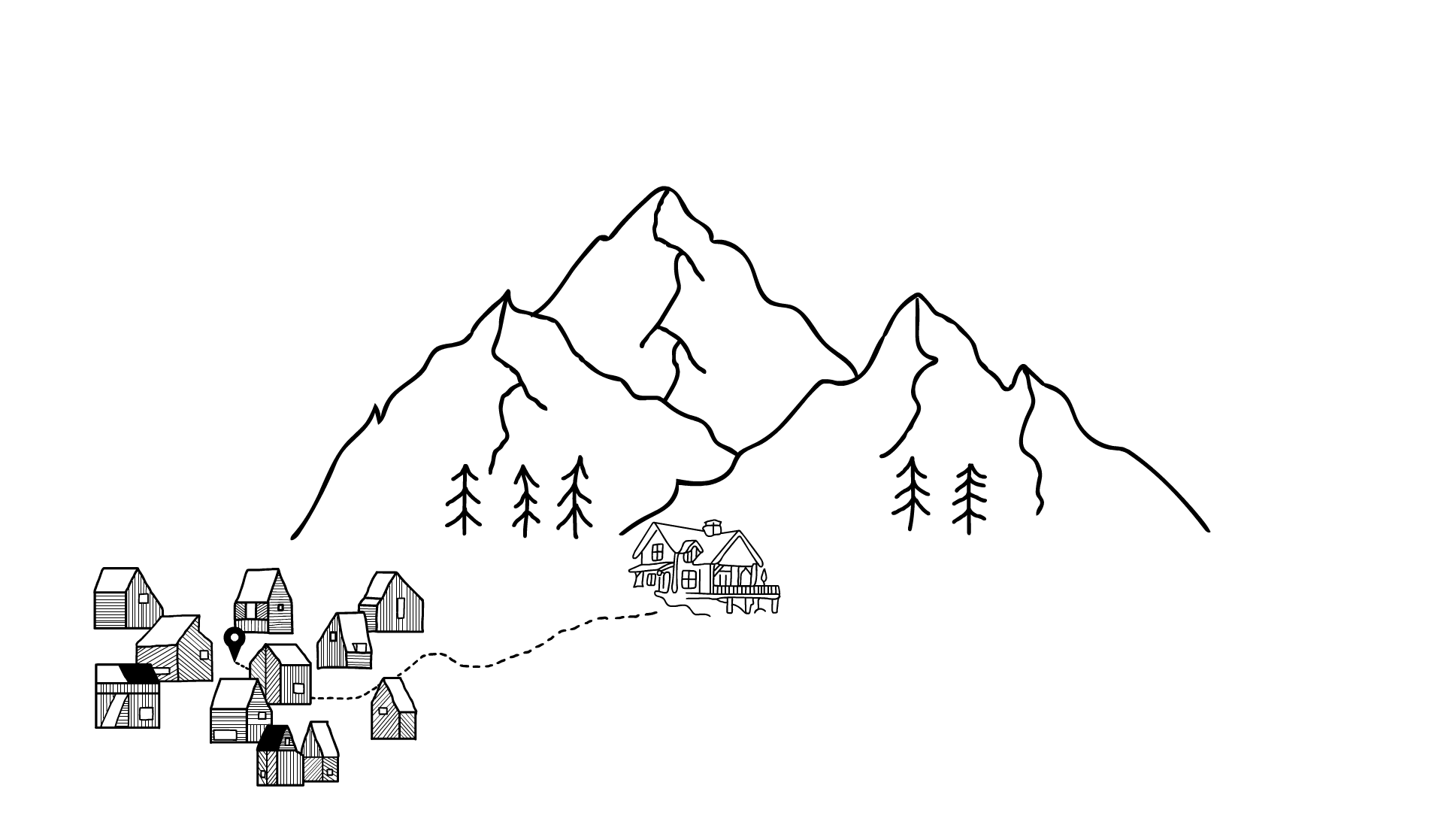
The location is intentionally placed slightly outside the city centre, just a five-minute walk above town. By positioning The Cabin uphill, social life can unfold without causing noise disturbance, while still maintaining a strong connection to the city below.
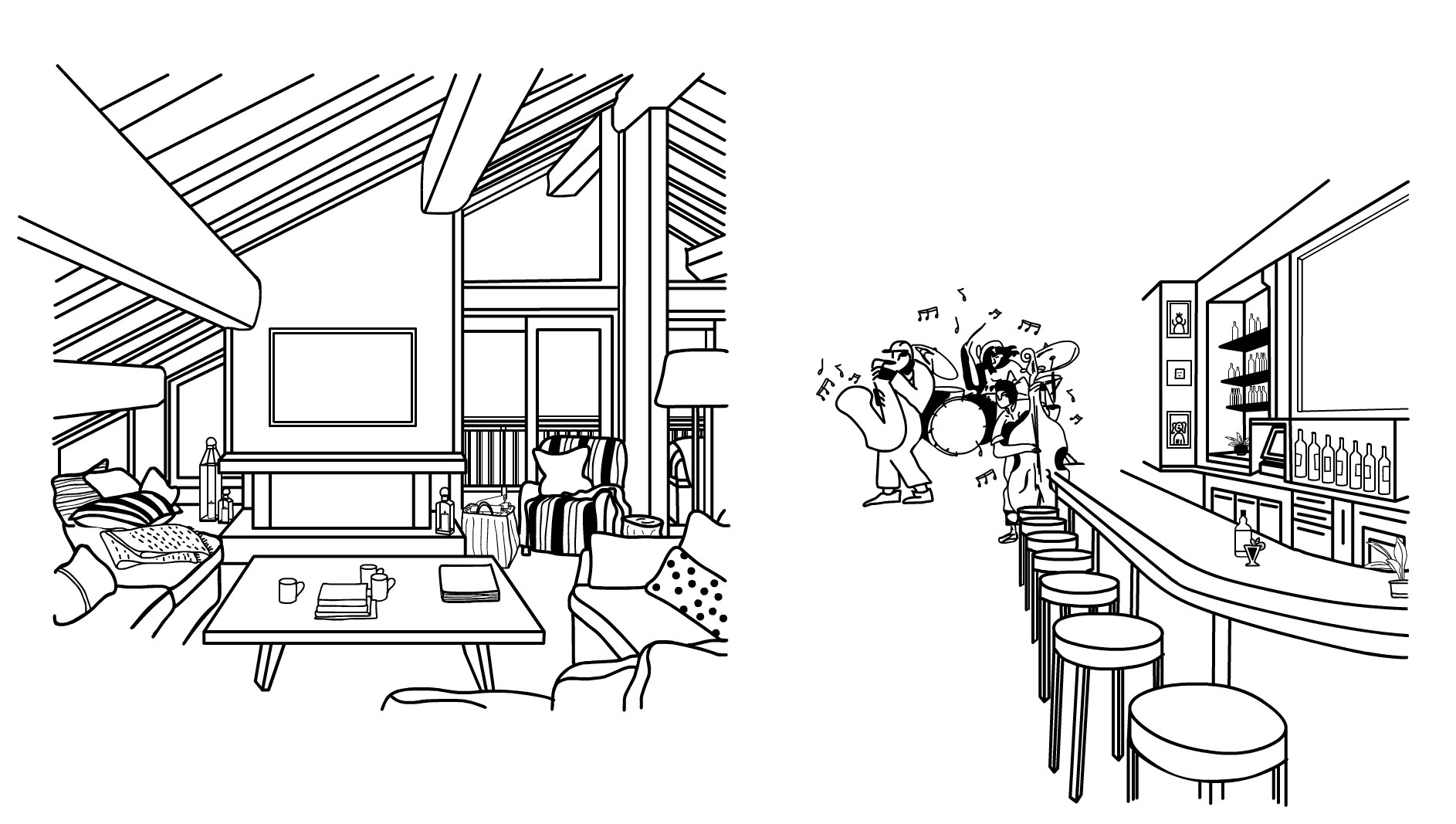
Inside The Cabin, the atmosphere is designed to feel cozy and informal. Soft lighting, natural materials and comfortable seating create a relaxed setting where people can stay while enjoying live music bands. The music plays an important role, adding to the sense of shared experience rather than functioning as entertainment alone.
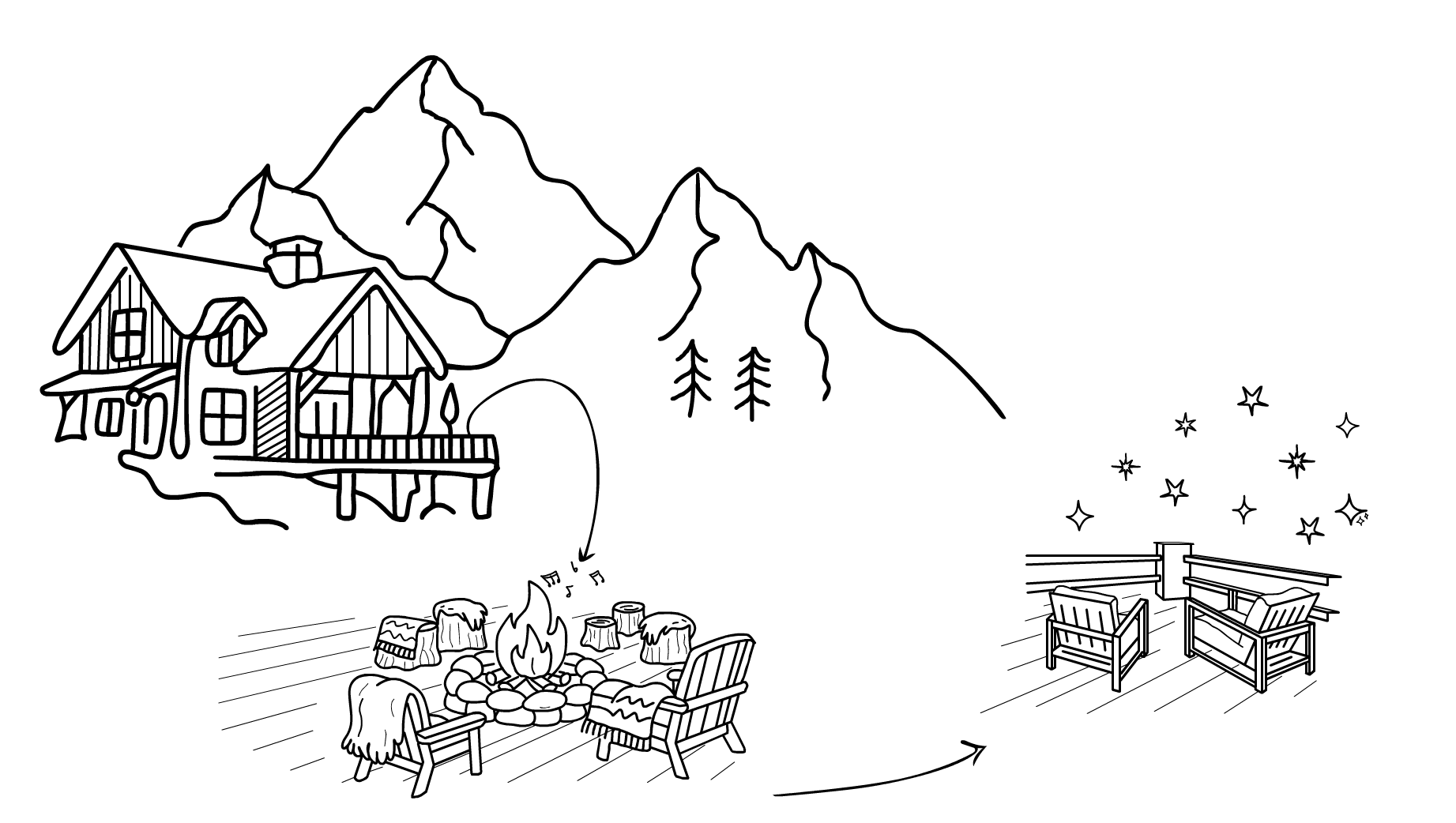
The big terrace acts as the heart of The Cabin. It offers an outdoor space with cosy blankets, a fireplace for warmth and making s’mores while enjoying the crazy views of the surrounding mountains. Designed as a place to linger, it allows time to slow down and conversations to unfold naturally. For those who want to enjoy the night sky, a darker side of the terrace remains free from light pollution, making the stars clearly visible.
Through illustration, typography and motion, I translated the same values (warmth, calm and connection) into a recognizable visual identity that ties the entire concept together.
In this vlog, I take you along on my research journey and show, through my illustrations, how my idea originated and gradually developed.
(vha)
This project grew from a spontaneous, fun idea into a fully developed design for this exam. As an international student, I enjoyed discovering the differences between my own culture in Antwerp and the local culture in Chur. And then seeing how these could come together within a single concept.
Through the process, I learned not to start designing from a solution right away, but to first focus on observation and contextBy analysing my own experiences, I was able to develop a design that feels personal while also taking the environment in which it would exist into account.
During my design process, I discovered how design can function as a bridge between different cultures and lifestyles. It made me more aware of the importance of not only adding something, but also respecting what is already there.
The transition from the busy, chaotic life in Antwerp to the calm of Chur felt open and enriching. The city invited me to look at things differently and to learn. Designing The Cabin became a way to find my place in a new city and to create a sense of home through design. Within the Convergent Production course, I had the opportunity to translate my idea into a concrete and personal design. I appreciated this opportunity!